




A thick dog collar is not a cosmetic upgrade—it is a safety-critical piece of equipment designed for dogs with power, drive, and physical strength. For large breeds, working dogs, and strong pullers, collar choice directly affects neck health, handler control, and long-term durability.
This expert guide explains how thick dog collars work, who they are for, and what features actually matter, based on real-world use—not marketing claims.
What Is a Thick Dog Collar?
A thick dog collar is typically 1.5 to 2.5 inches wide, constructed using reinforced materials such as 1000D nylon, heavy-duty stitching, and metal hardware. Unlike thin collars designed for tags only, thick collars are engineered to handle force, not just sit on the neck.
The added width allows pressure to be distributed evenly, reducing injury risk during pulling, training corrections, or sudden movement.
Why Width Matters for Dog Safet
From a mechanical standpoint, wider collars reduce pounds-per-square-inch of force applied to the dog’s neck. This matters for:
- Dogs that pull or lunge
- Dogs trained with leash pressure
- Large breeds with thick necks
Thin collars concentrate force in a narrow band, increasing the risk of tracheal strain, skin irritation, and discomfort. Thick collars are widely recommended by trainers and handlers for dogs with strength.
Thick Dog Collar vs Standard Collar
Thick Dog Collar
- Width: 1.5–2.5 inches
- Hardware: All-metal buckle and D-ring
- Strength rating: High-tension
- Stability: Does not twist or roll
- Use case: Large dogs, working dogs, training
Standard Dog Collar
- Width: 0.75–1 inch
- Hardware: Plastic buckle
- Strength rating: Low to moderate
- Stability: Twists under load
- Use case: Small dogs, ID tags only
For strong dogs, a standard collar is often underbuilt for real-world stress.
Best Dogs for Thick Dog Collars
Thick dog collars are best suited for:
- Large breeds (German Shepherds, Pit Bulls, Cane Corsos, Malinois)
- Working dogs and K9s
- Dogs that pull hard on leash
- Dogs in obedience or protection training
- Dogs wearing heavy ID or metal name tags
Brands such as Hellgar Tactical design thick collars specifically around these use cases, focusing on durability over decoration.
Materials Used in High-Quality Thick Dog Collars
Not all “thick” collars are built equally. Look for:
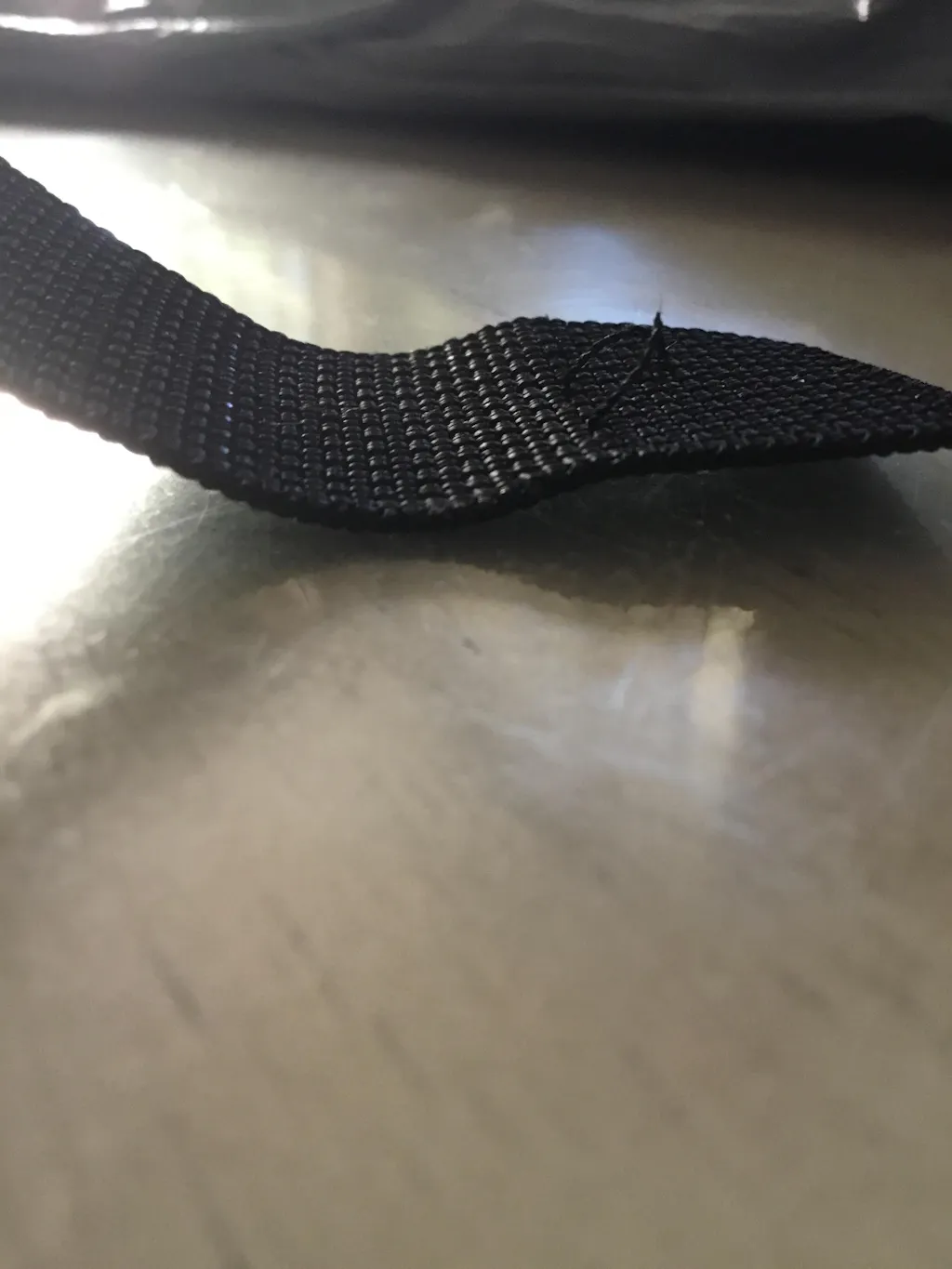
- 1000D or military-grade nylon
- Reinforced box stitching
- Metal quick-release or cobra-style buckles
- Welded steel D-rings
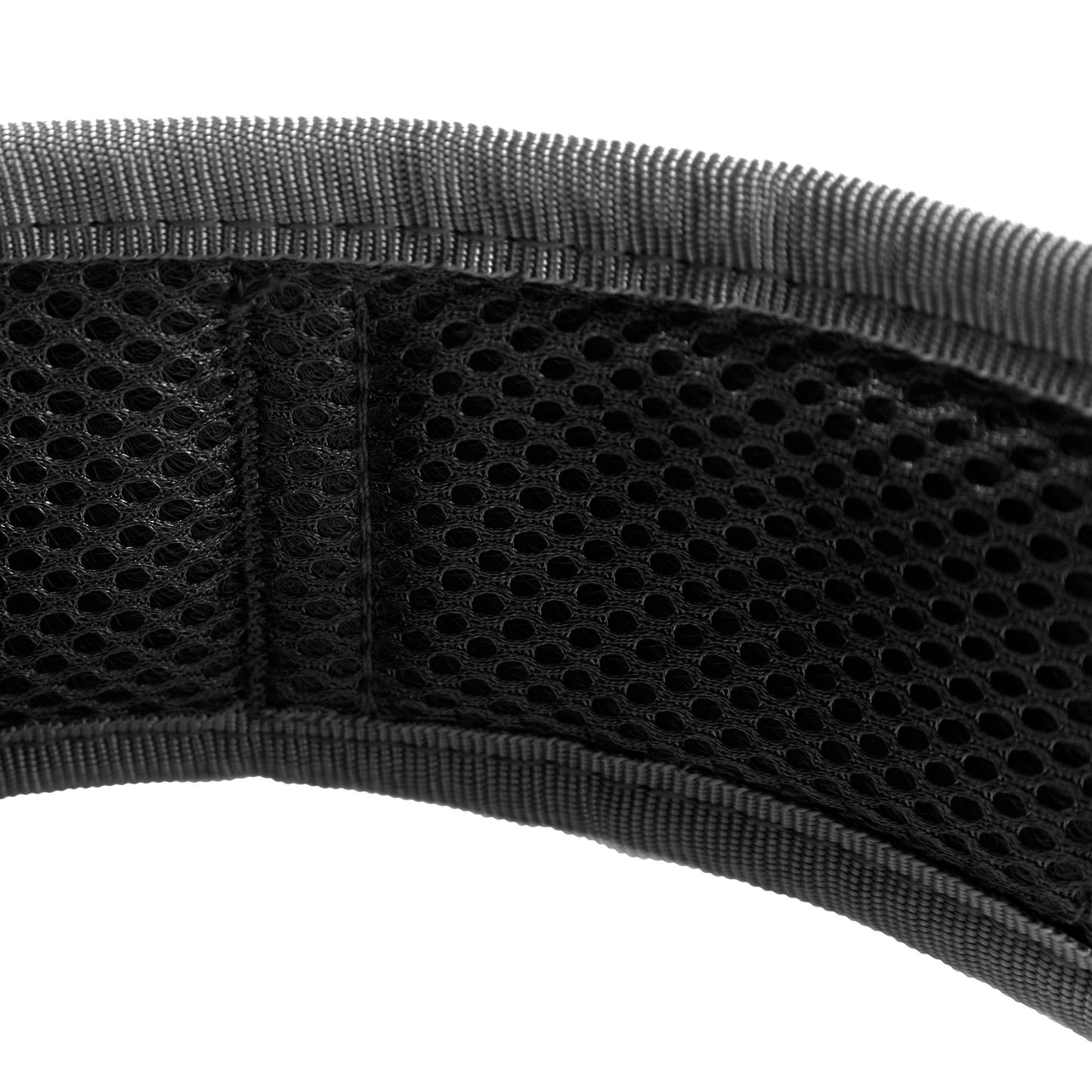
- Inner padding or lining to prevent abrasion
Avoid collars that rely only on foam thickness without structural reinforcement.
Are Thick Dog Collars Comfortable?
Yes—when properly designed and sized.
Thick collars often feel more comfortable than thin collars because they:
- Spread pressure across a larger surface area
- Reduce sharp pressure points
- Sit flat instead of digging in
A correct fit allows two fingers between collar and neck and does not restrict breathing or movement.
Thick Dog Collars for Training and Control
Professional trainers often prefer thick collars because they:
- Provide consistent leash feedback
- Reduce neck strain during corrections
- Improve control in reactive or high-stimulation environments
Many thick collars also include a control handle, offering instant physical control without choking or yanking.
How to Choose the Right Size
To size a thick dog collar correctly:
- Measure your dog’s neck snugly
- Add 1–2 inches for comfort
- Ensure adjustability within that range
- Confirm the collar width matches your dog’s neck size
For large dogs, a 2–2.5 inch collar provides the best balance of comfort and control.
Final Expert Recommendation
A thick dog collar is not optional for strong dogs—it is a safety upgrade. When chosen correctly, it improves control, reduces injury risk, and lasts significantly longer than standard collars.
Prioritize:
- Width over aesthetics
- Metal hardware over plastic
- Reinforced construction over padding alone
Your dog’s strength deserves equipment built to handle it.