How Does a No-Pull Harness Work? Gentle Control for Dogs That Pull
A no-pull harness is designed to help dog owners manage pulling behavior on walks safely and humanely. Unlike traditional collars or back-clip harnesses that can encourage dogs to lean forward and pull harder, a no-pull harness changes how pressure is distributed—helping you guide your dog’s movement instead of fighting against it.
This guide explains how no-pull harnesses work, the science behind them, and how to use them effectively for better leash manners and a calmer walking experience.
What Is a No-Pull Harness?
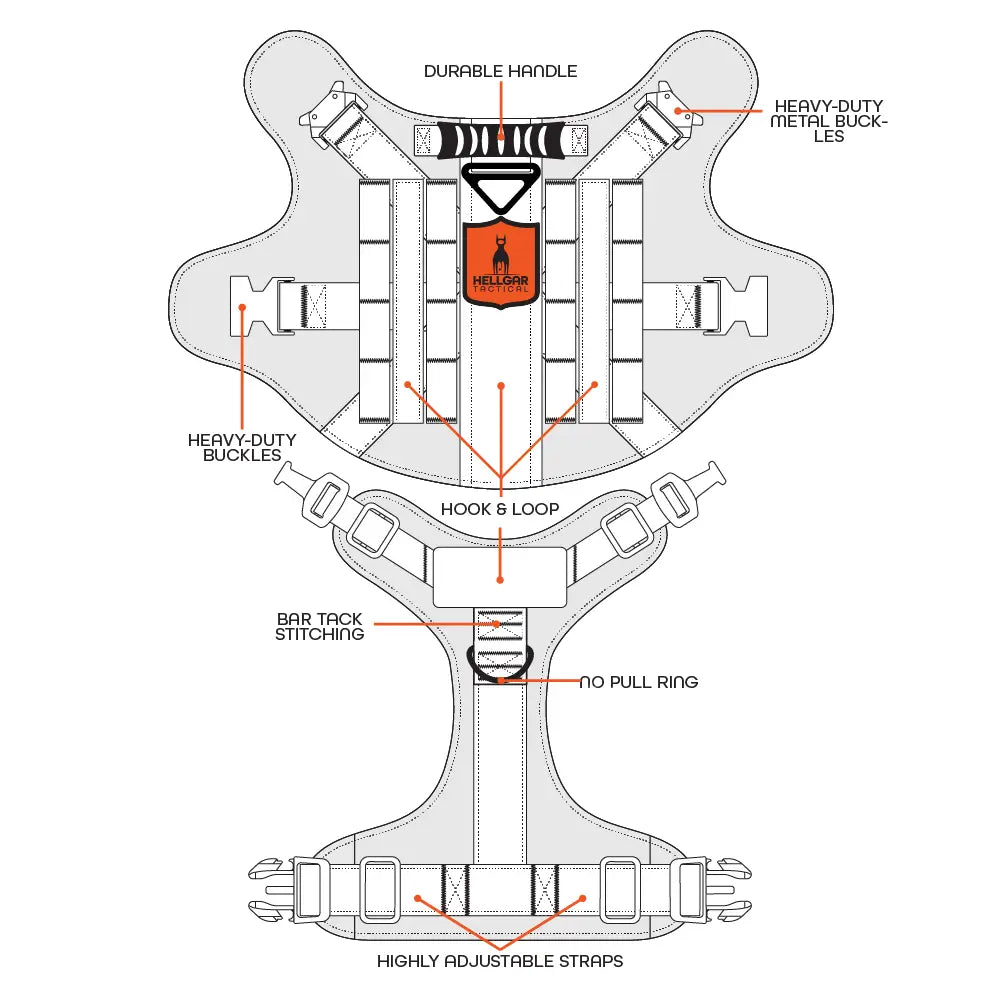
A no-pull harness is a type of dog harness designed with a leash attachment point at the front of the chest rather than on the back. This position redirects your dog’s forward momentum toward you when they try to pull, making it easier to regain control without applying excessive force.
Some designs also include a dual-clip system—with leash rings on both the chest and back—offering flexibility for both training and relaxed walking.
How a No-Pull Harness Works
When your dog pulls on the leash:
-
The front-clip attachment gently pivots your dog’s chest toward you instead of allowing them to move straight forward.
-
This redirection naturally reduces pulling because the dog cannot continue in the desired direction while pulling.
-
The pressure is evenly distributed across the chest and shoulders instead of concentrating on the throat, making it safer and more comfortable than a collar.
The design relies on simple mechanics—changing direction rather than applying force. This helps reinforce the idea that staying close to you results in forward progress, while pulling gets them nowhere.
Benefits of Using a No-Pull Harness
-
Reduces strain on your dog’s neck and spine
-
Gives better steering control during walks
-
Encourages polite leash manners through gentle redirection
-
Ideal for training puppies or strong adult dogs
-
Safer for dogs prone to tracheal or respiratory issues
-
Often features padded straps for comfort during long walks
Many trainers recommend no-pull harnesses as a positive alternative to choke chains or prong collars, especially when paired with consistent leash training and rewards.
Step-by-Step: Using a No-Pull Harness
-
Fit the harness properly
-
Place the front loop over your dog’s head and secure the chest straps.
-
Make sure the front D-ring sits in the center of the chest, not too high or low.
-
You should be able to fit two fingers comfortably under each strap.
-
-
Attach the leash to the front clip
-
For training walks, connect your leash to the chest D-ring.
-
If your harness has a dual-clip option, you can use a double-ended leash to connect both clips for balanced control.
-
-
Walk calmly and redirect gently
-
When your dog starts to pull, stop walking. The harness will turn their body toward you naturally.
-
Encourage calm walking with praise and treats when your dog stays by your side.
-
-
Be consistent
-
Over time, your dog will learn that walking without pulling keeps the walk going forward, while pulling stops progress.
-
Proper Fit and Comfort Tips
-
Check for snugness using the two-finger rule.
-
The chest strap should rest horizontally across the chest, not under the throat.
-
Adjust side straps so the harness doesn’t shift or twist during walks.
-
Avoid leaving the harness on all day to prevent rubbing or irritation.
A poorly fitted harness can negate its purpose, so regular adjustment checks—especially for growing dogs—are important.
Common Mistakes to Avoid
-
Using the back clip only: Attaching the leash to the back D-ring gives your dog leverage to pull harder. Use the front clip for training.
-
Overtightening the straps: This causes discomfort and can restrict movement.
-
Pulling back forcefully: The harness is meant to redirect, not to be used with jerks or leash corrections.
-
Skipping training reinforcement: While the harness helps manage pulling, success still depends on consistent positive-reinforcement training.
How It Compares to Other Harness Types
| Harness Type | Leash Clip Location | Ideal Use | Pulling Control |
|---|---|---|---|
| Back-Clip | On the back between shoulders | Calm walkers, small dogs | Low |
| Front-Clip (No-Pull) | On the chest | Training, strong pullers | High |
| Dual-Clip | Front and back | Flexible control | Moderate to high |
| Step-In | Around legs and chest | Easy dressing | Moderate |
Training With a No-Pull Harness
To get the most from your no-pull harness, combine it with basic leash training techniques:
-
Reward your dog for walking beside you with treats and praise.
-
Stop moving forward whenever they pull, and resume when they return to your side.
-
Keep walks short and calm during the first week of training.
-
Stay patient—many dogs learn proper leash behavior within a few weeks with consistency.
When to Use the Back Clip
Once your dog learns to walk politely without pulling, you can switch to the back clip for casual walks. The front clip is best reserved for training or situations where more control is needed.
Conclusion
A no-pull harness works by changing direction, not applying force. It redirects a dog’s pulling motion toward the handler, making walks safer and calmer for both sides of the leash.
When used with patience, positive reinforcement, and a proper fit, it becomes one of the most effective and humane tools for teaching your dog to walk politely on leash.
References
-
American Kennel Club (AKC). What Is a No-Pull Dog Harness and How Does It Work? https://www.akc.org
-
PetMD. How No-Pull Dog Harnesses Help Prevent Pulling. https://www.petmd.com
-
Humane Society of the United States. Tips for Walking Your Dog Safely. https://www.humanesociety.org
-
Preventive Vet. Best Harnesses for Dogs That Pull. https://www.preventivevet.com
-
RSPCA. Dog Walking Equipment and Safe Handling. https://www.rspca.org.uk

Hellgar Tactical
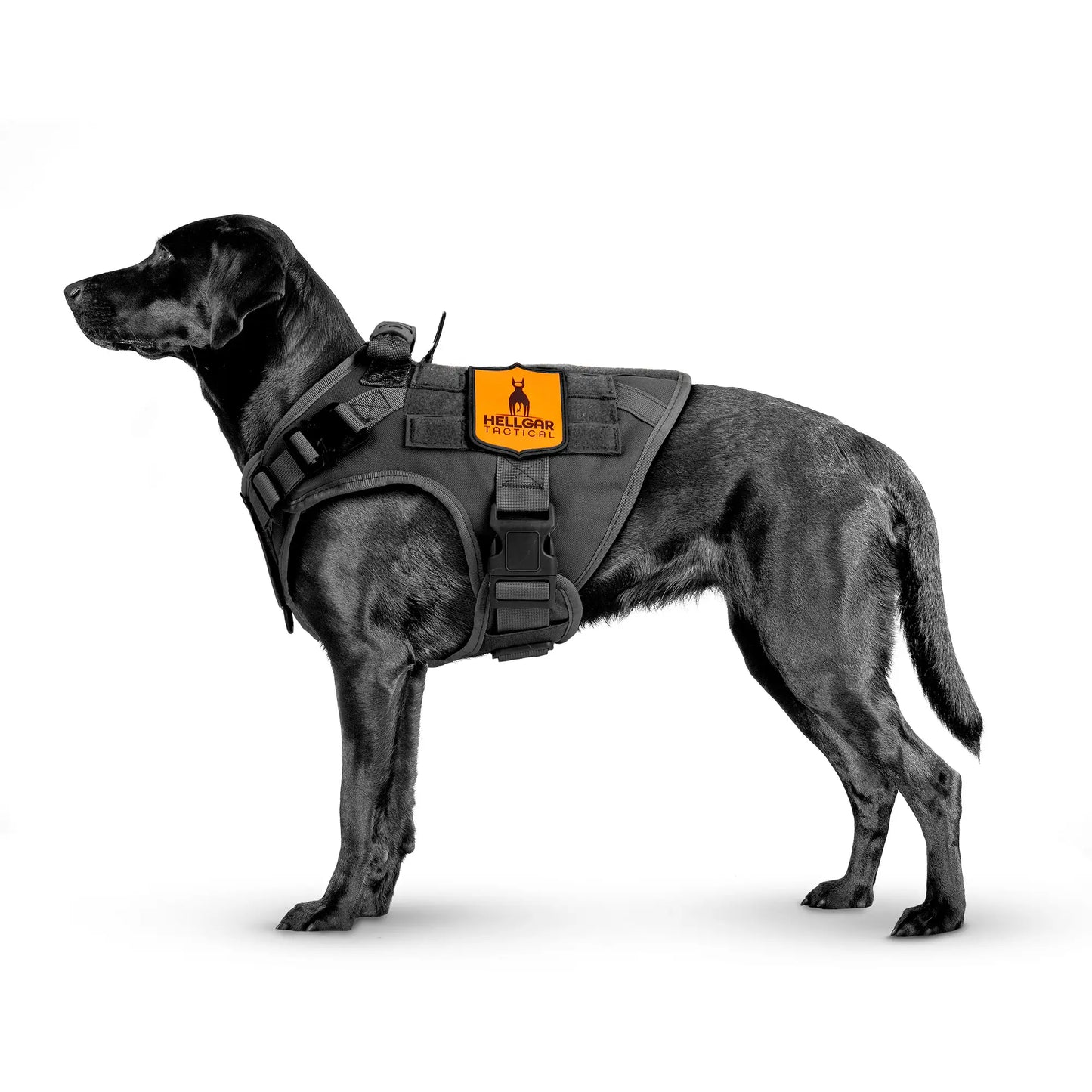
Hellgar Tactical No Pull Dog Harness